Signs Your Siding Needs Repair or Replacement This Year: siding repair Jeffersonville Indiana
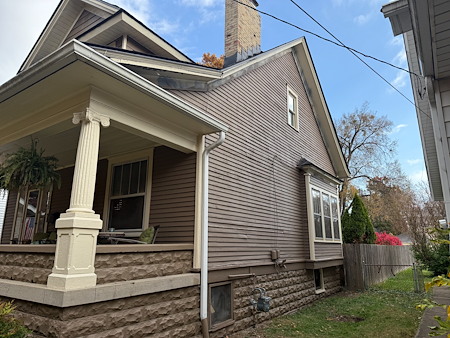
After a long Ohio Valley winter, siding takes a beating. If you live in Jeffersonville, IN, the freeze-thaw cycles, river humidity, and spring wind can turn small flaws into bigger problems. This guide shows you the most common warning signs and when to choose repair or a full replacement. If you spot anything below, schedule a visit with our siding services so a pro can evaluate your home.
Why Jeffersonville Weather Wears Down Siding
Our local climate swings fast. Cold snaps expand materials, sunny breaks shrink them, and wind-driven rain pushes water where it should not go. Homes along Utica Pike and near the riverfront feel more gusts, while areas around Holmans Lane and Allison Lane see heavy sun exposure that fades panels sooner.
In older parts of Downtown and the Old Jeffersonville Historic District, wood trim and original lap siding may show age sooner because past paint layers trap moisture. Vinyl ages differently, but it can still warp or crack under repeated temperature swings.
Clear Signs Your Siding Needs Attention Now
Walk around your home at ground level and look straight along the walls in good daylight. You are looking for patterns, not just one tiny flaw.
- Cracks and splits in panels or at nail heads
- Warping, cupping, or panels pulling away from the wall
- Fading or chalky color that rubs off on your hand
- Moisture stains, swollen trim, or soft spots near the foundation
- Loose or missing pieces after a storm
- Bubbling paint or interior wall stains that hint at leaks
If several of these show up on the same wall, issues are likely spreading. Catching them early protects sheathing and insulation behind the siding.
Repair or Replace: How Pros Decide
Contractors weigh the pattern, age, and location of damage. A few isolated cracks on a newer wall often point to targeted repairs. Widespread warping, soft sheathing, or recurring moisture on multiple elevations signals it is time to replace.
Rule of thumb: scattered, shallow issues on solid walls lean repair; repeating problems across sun-baked or wind-facing sides lean replacement. Your home’s age and material type also guide the choice.
What Different Siding Materials Reveal When Damaged
Vinyl Siding
Vinyl is popular around Jeffersonville because it is durable and low maintenance. Watch for brittle cracks near nail slots, heat warping near grills or reflected sunlight, and faded panels that have lost their protective layer. These are classic vinyl siding damage signs. Single-panel fixes are common when color matches are available. If color has faded unevenly or many courses are wavy, full sections may be smarter.
Fiber Cement
Fiber cement resists fire and pests but still needs tight flashing and good paint. Look for edge swelling, delamination, or caulk gaps at joints. If moisture got behind boards over winter, you might see staining at fasteners. Local wind can drive rain sideways under failed trims.
Wood Lap or Shingle
Wood tells on moisture first. Soft areas near the bottom courses, peeling paint that will not hold, and dark streaks under joints are red flags. Spot repairs can preserve historic character in older Jeffersonville homes, but repeated soft spots suggest deeper sheathing issues.
Moisture: The Silent Problem Behind Fading and Warping
Moisture is the real enemy. It shows up as swollen edges, ripples, or stains on interior drywall. In river-adjacent areas, wind-driven rain plus high humidity speeds up hidden leaks. Once water gets behind siding, it can travel along studs and rim boards before you see a symptom.
Do not ignore moisture marks. They rarely fix themselves and often spread. A qualified inspection finds the entry point and prevents repeated patchwork.
How Timing Affects Siding Projects In Southern Indiana
Spring and fall are the sweet spots for exterior work here. Materials handle mild temperatures better, and sealants cure more consistently. After winter, installers can see exactly where panels shifted or failed, which leads to better long-term fixes.
Summer UV around open lots off Holmans Lane can speed fading, so replacing severely sunbaked sections earlier in the season helps the new finish acclimate before peak heat.
Insurance, Storms, And Documentation
When high wind or hail rips pieces loose, thorough documentation helps. Photos of cracked panels, impact points, and any lifted trims make decisions easier. If a weather event triggered damage, your contractor can explain next steps and how the insurance repair process typically moves forward.
Keep a simple folder with dates, locations, and images. That record is valuable if separate storms affect the same wall later in the year.
When To Choose Replacement Over Patchwork
Replacement usually wins when you see spreading moisture, a mix of warped and cracked panels across multiple sides, or repeated fixes that will not hold. Color matching can also push the choice. If your vinyl has faded in patches, any single-panel repair may stand out. Replacing a full elevation restores both performance and curb appeal.
Thinking ahead about materials helps too. If you are comparing options for durability and style, this related read on best home siding choices offers a quick overview to start the conversation.
Local Clues From Around Jeffersonville, IN
- Riverfront and open-lot homes see more crosswinds. Look for loosened end laps on the windward side.
- Older neighborhoods near Downtown often have original trim. Gaps where trim meets siding are early leak points.
- Homes shaded by mature trees collect debris against lower courses. That trapped moisture leads to stains and soft spots.
Small patterns tell big stories. Five tiny cracks on the same wall face mean more than one nick on a corner. Patterns help your contractor stop the source, not just cover the symptom.
What Happens During A Professional Siding Assessment
Expect a full walk-around and close look at laps, end joints, and penetrations like hose bibs and vents. Pros check for level courses, proper nailing, sealed trims, and firm sheathing behind suspect areas. If interior stains exist, they will trace likely paths from the exterior.
Your report should separate urgent issues from preventative ones and outline whether targeted fixes or a planned replacement best protect your home.
Get Started With A Trusted Local Team
If you are just starting your search, visit our home page and look for siding repair Jeffersonville Indiana to see how Pro Restoration Plus serves local homeowners season after season. We keep explanations simple and the process clear so you can choose with confidence.
Smart Next Steps To Protect Your Home
Do not wait for stains to show up indoors. If you notice cracks, warping, fading, or moisture marks, have a specialist confirm the cause and recommend the right fix for your home and neighborhood. You can begin with targeted service and scale up if the inspection reveals wider concerns.
When you are ready, connect with our team at 812-727-8844 or explore professional siding repair and replacement to schedule your evaluation. We review your goals, verify material options, and plan the best path to restore curb appeal and stop water at the source.
Ready To Act Before The Next Storm?
The earlier you act, the less you risk. Jeffersonville’s spring and summer storms arrive quickly, and siding problems rarely improve on their own. If the walls on your Jeffersonville, IN home are telling you something, let Pro Restoration Plus listen, diagnose, and fix it the right way.
Call 812-727-8844 or book through our siding services page today so your exterior is ready for whatever the Ohio River Valley sends next.
Protect Your Home. Contact Our Roofing Company in Jeffersonville, IN Today!